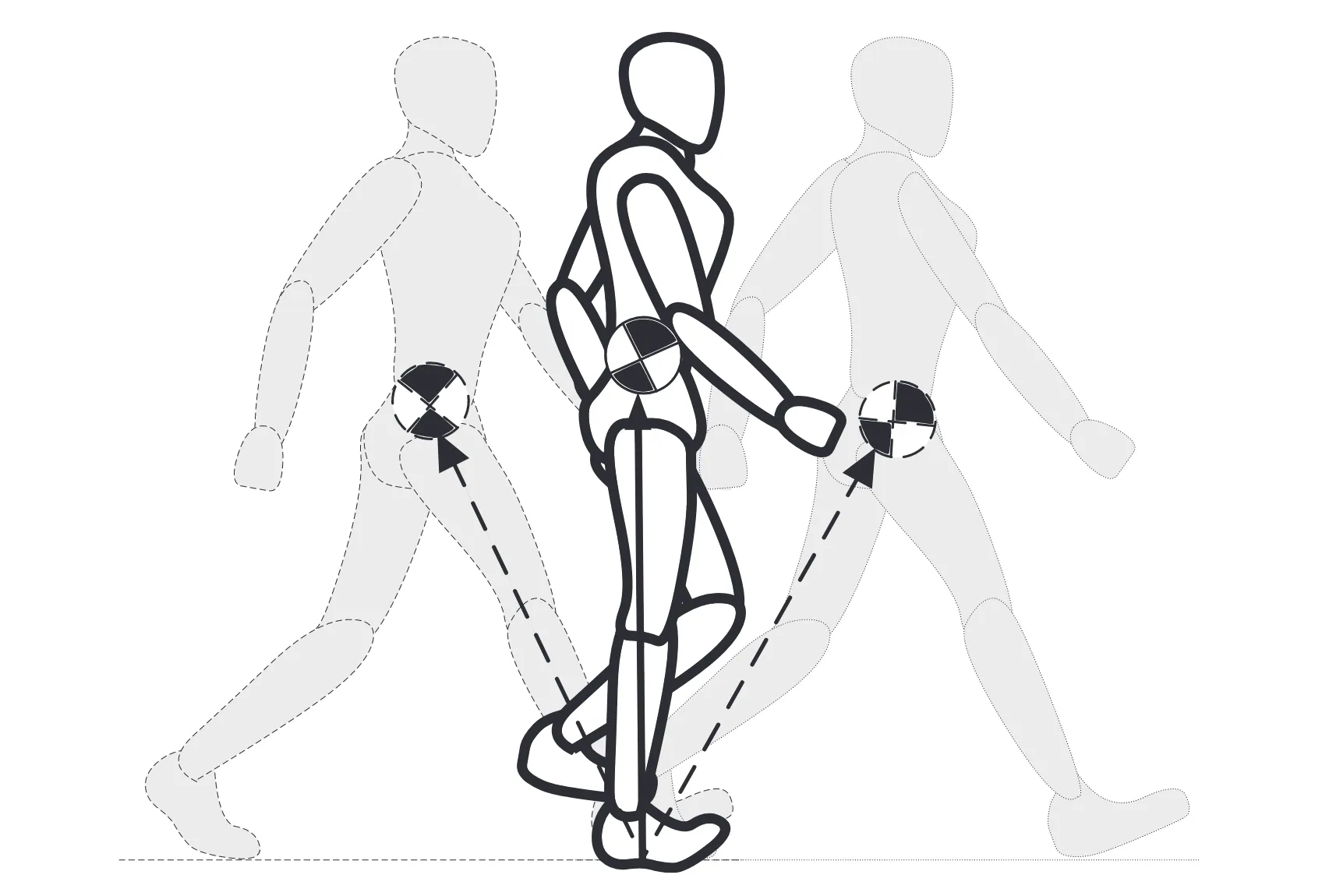
Educational diagram showing posture awareness concepts including balance, movement, rhythm, and awareness

What Is Posture Awareness?

Posture awareness is the practice of bringing gentle attention to how your body is positioned throughout the day. It's not about achieving a "perfect" posture—rather, it's about developing a mindful relationship with your body.

This awareness-based approach focuses on noticing rather than correcting, observing rather than judging. Over time, this gentle attention may help some people feel more comfortable in how they hold themselves, without force or strain.

Unlike traditional approaches that emphasize holding specific positions, our method integrates brief awareness moments into your existing daily activities, making it sustainable and accessible.
Understanding the Fundamentals

These core concepts form the foundation of our approach to daily posture awareness.

1

Body Awareness vs. Body Correction

Traditional approaches often focus on "fixing" posture through specific exercises or positions. Our approach emphasizes awareness first—simply noticing how your body feels and is positioned. This gentle attention is about observation, not forcing change.

2

The Power of Micro-Moments

Brief, frequent awareness moments may feel more sustainable than long, intensive sessions for many people. A 20-second awareness check done several times throughout the day can help build awareness habits without needing a dedicated 30-minute block. This approach also fits naturally into busy schedules.

3

Habit Stacking for Sustainability

By connecting awareness moments to activities you already do—like standing up from a chair, waiting for coffee to brew, or walking to another room—you create sustainable habits without needing extra time or motivation. The existing habit becomes a trigger for the new awareness practice.

4

Non-Judgmental Observation

When you notice your posture, simply observe without criticism. There's no "wrong" position—only information. This non-judgmental approach reduces stress and makes the practice enjoyable rather than another source of self-criticism.

5

Movement Through the Day

The body is designed to move, not to hold static positions. Our approach emphasizes gentle, varied movement throughout the day rather than maintaining any single "correct" posture. Variety and movement are discussed here for general education only—not as medical treatment.

How to Practice Awareness

Simple techniques you can try as part of a general awareness practice. Individual experiences vary.

A

The Body Scan

Take 10-20 seconds to mentally scan from head to feet. Notice areas of tension or ease without trying to change anything. This simple practice builds body awareness over time.

B

Breath Awareness

Notice your breathing pattern. Is it shallow or deep? Fast or slow? Breath often reflects how your body feels in the moment. Simply observing may help you notice connections between breath and posture—without aiming to treat any condition.

C

Ground Contact

Whether sitting or standing, notice how your body contacts the surface beneath you. Feel the weight distribution. This grounding practice anchors awareness in the present moment.

D

Transition Triggers

Use natural transitions—standing up, sitting down, entering a room—as triggers for brief awareness checks. These moments become automatic reminders for mindful attention.

Ready to Explore the Daily Plan?

Explore our daily plan for a structured approach to integrating these awareness practices into your routine.